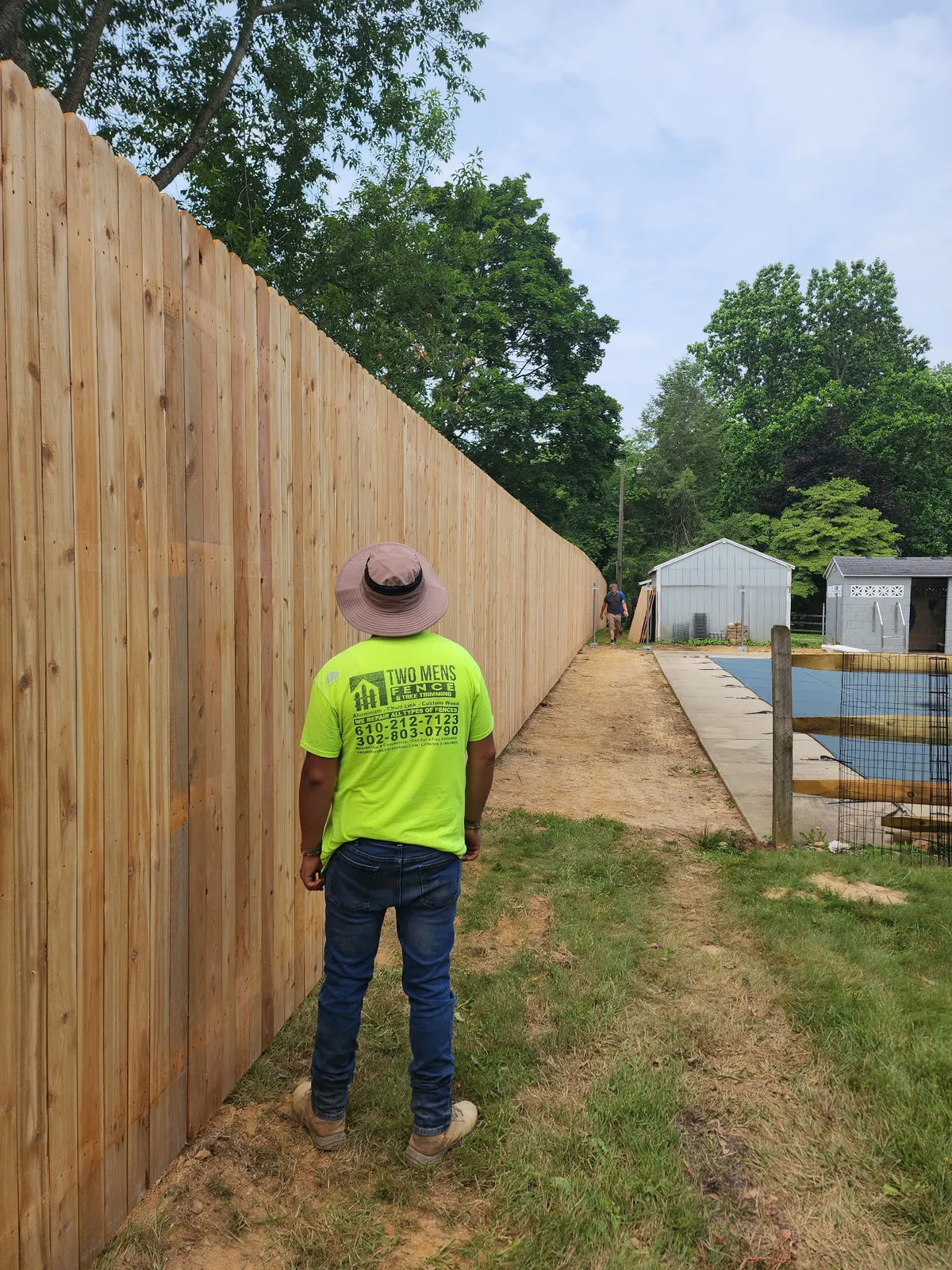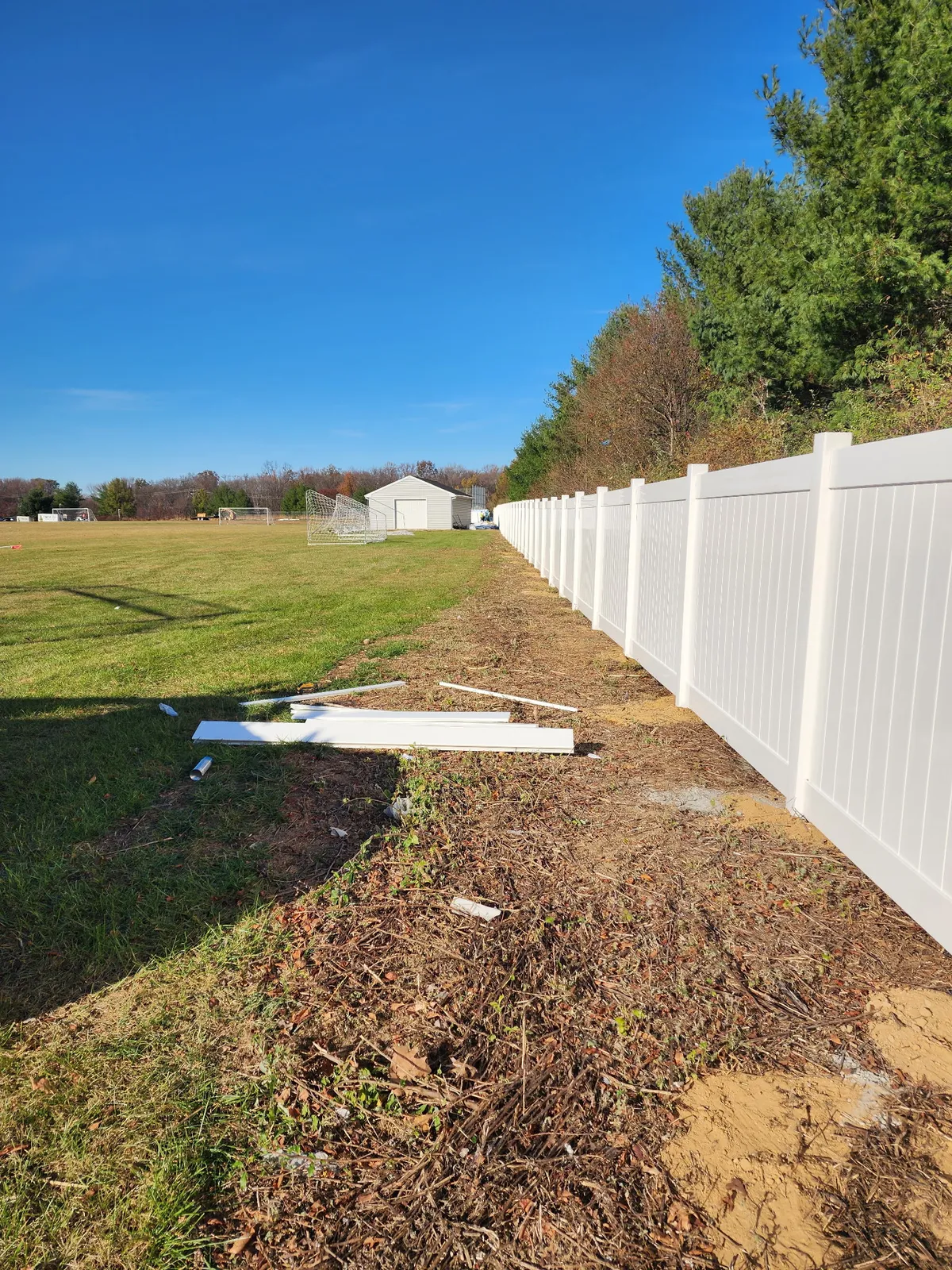
If you live in an HOA community in New Castle County, do not order a fence until you understand the approval process. HOA approval is separate from any county, city, or permit requirement. A fence can meet county rules and still violate your neighborhood covenants.
This guide explains the common HOA fence rules we see around Delaware. It is not legal advice, and every community is different. Always verify with your HOA, architectural review board, and New Castle County before installation.
HOA Approval Is Separate From Permits
Many homeowners assume a county permit means they are clear to build. That is not how HOA communities work. The county may care about height, sight lines, pool barriers, and property rules. The HOA may care about style, color, material, placement, and whether the fence matches the neighborhood standards.
If you have not already checked permit basics, read our guide: Do I Need a Permit for a Fence in Delaware?. Then check your HOA documents separately.
Common HOA Fence Restrictions
Most HOA fence rules are written to keep the neighborhood visually consistent. The exact standards vary, but these are common restrictions homeowners run into:
- Height limits: many communities allow shorter front-yard fencing and taller rear-yard privacy fencing. A common pattern is 4 feet in front areas and 6 feet in rear yards, but you must verify your specific rules.
- Approved materials: vinyl, aluminum, wood, or specific privacy styles may be allowed while chain link or unfinished materials may be restricted.
- Color limits: white vinyl, black aluminum, natural wood, or approved neutral colors are common. Custom colors may require extra review.
- Finished-side-out rules: many HOAs require the finished or “good neighbor” side of the fence to face outward.
- Setbacks: fences may need to sit inside property lines, easements, or utility areas.
- Corner-lot sight lines: corner lots often have stricter rules because fences can block visibility for drivers and pedestrians.
How the ARB Process Usually Works
Most HOAs use an architectural review board, often called an ARB or ARC. The names vary, but the process is similar. You submit the proposed fence before installation and wait for written approval.
Start by finding your CC&Rs, architectural guidelines, or homeowner portal. Look for the fence section and note anything about height, style, color, gates, setbacks, and required forms.
Next, prepare a simple submission package. Many communities ask for a plot plan showing where the fence will go, the fence height, material, color, gate locations, and a product image or spec sheet. Some also ask for neighbor signatures or a copy of the contractor estimate.
Plan for the review to take time. Around Delaware, some approvals are quick, while others can take about 30 days depending on the board meeting schedule. Do not schedule installation until you have written approval in hand.
Common Documents to Gather
Before you submit, gather the documents your HOA is most likely to request. That usually includes a copy of your property plot plan, the proposed fence layout marked clearly, the material and height, the color, gate locations, and a photo or manufacturer sheet showing the fence style.
If the fence is near a drainage easement, shared property line, sidewalk, alley, or corner, note that in the submission. The more complete the application is, the less likely the board is to delay it by asking for missing details.
What Happens If You Skip Approval?
Skipping HOA approval can get expensive. The HOA may require changes, fines, or in the worst case removal of the fence. Even if the fence is built well, the issue is that it was not approved according to the neighborhood rules.
This is why we prefer to slow down before digging. A few days spent checking paperwork is better than rebuilding a section because the height, color, or placement was rejected.
Keep copies of everything you submit and everything the HOA sends back. If the board approves the fence with conditions, save those conditions and share them with the installer. That prevents a simple misunderstanding from turning into a compliance problem after the fence is built.
When in doubt, ask before you build. It is much easier to adjust a layout on paper than move posts after concrete has set.
How We Help
We regularly help homeowners gather the information HOAs ask for: material, height, style, layout, gate placement, and product details. We can also explain what is practical for the yard before you submit the request.
The homeowner is still responsible for final HOA approval, but you do not have to guess at the fence details alone. If your HOA needs a written estimate or material information, we can help you prepare it before the review.
Before you install a fence in an HOA neighborhood, verify the rules, get written approval, and keep the approval for your records. If you want help planning the fence package, contact TWO MEN Fence & Construction and we will walk through it with you.